
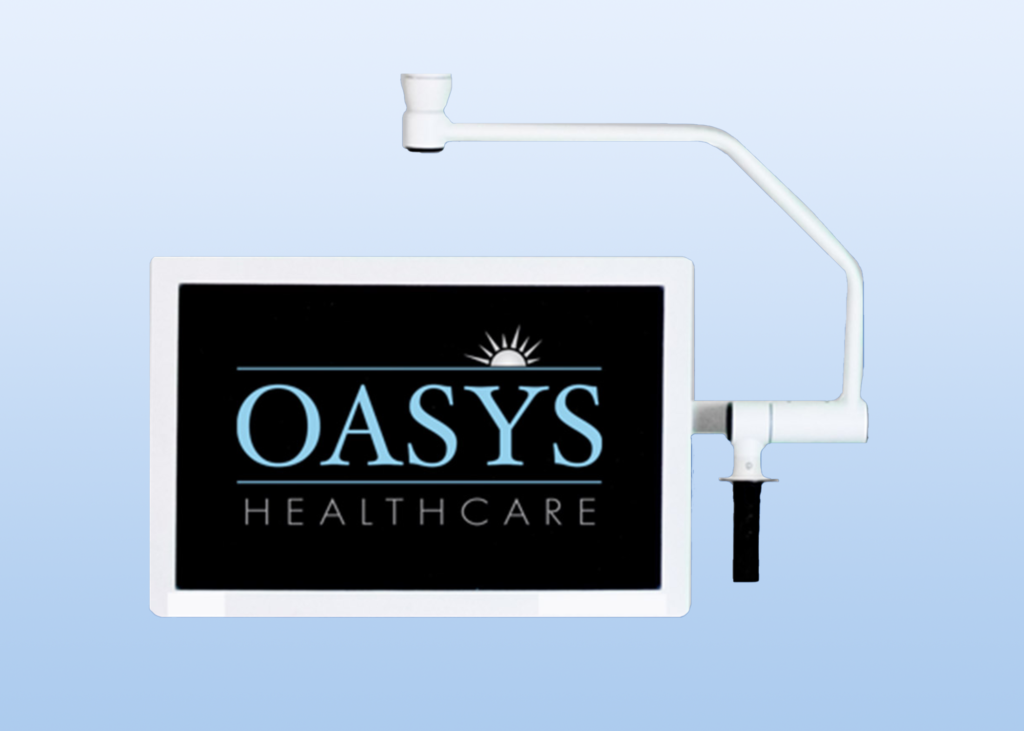
Many hospitals operate with aging surgical suites that were designed before today’s visualization heavy, technology driven procedures became standard. While complete remodels can be expensive and disruptive, there are cost effective ways to modernize these spaces. One of the most impactful upgrades is the installation of modern medical support arms. These systems bring new levels of flexibility, ergonomics, and efficiency to older ORs without requiring full reconstruction. For facilities focused on OR retrofitting and hospital equipment modernization, updated arm systems offer excellent value and long term performance.
Why Older ORs Struggle With Modern Equipment Needs
Legacy operating rooms were often built with limited infrastructure for mounting displays, lights, and specialized devices. As surgical teams began relying more on high definition monitors, imaging tools, and integrated workflows, many older suites were unable to keep up. Common challenges include limited space, outdated mounts, lack of cable management, and poor equipment positioning.
These issues affect both workflow efficiency and staff comfort. Surgeons and nurses may need to reposition equipment manually, share limited displays, or work around carts and mobile stands. This leads to clutter, restricted movement, and increased fatigue. Upgrading medical support arms is a smart way to solve these problems without tearing down walls or rebuilding the room.
How Medical Arm Upgrades Transform Aging Surgical Suites
Modern support arms provide advanced articulation, better load capacity, and more precise positioning than older systems. They also integrate cleaner cable routing and improved infection control features. Here are some of the most valuable benefits.
1. Better Equipment Positioning
Upgraded arms allow surgeons to position monitors, lights, or devices exactly where they need them. Smooth movement and stable placement create a more ergonomic workspace, which can reduce fatigue and improve precision.
2. Cleaner, Safer OR Layouts
Modern arms allow equipment to be mounted off the floor, which reduces clutter and opens more space for staff. Better organization also supports hospital equipment modernization goals by improving safety and workflow.
3. Improved Compatibility With New Technology
Many older mounts cannot support the weight or dimensions of today’s larger 4K and 8K surgical displays. New arms can handle a wide range of sizes and integrate easily with current imaging and visualization systems.
4. Enhanced Durability and Hygiene
Modern support arms feature durable materials, sealed surfaces, and internal cable routing for easier cleaning. This is especially helpful in older rooms where infection control standards have evolved since installation.
Budget Friendly Approaches to OR Retrofitting
A full OR renovation can cost millions, but medical arm upgrades offer a smarter way to extend the usefulness of existing rooms. Here are cost effective strategies hospitals use to modernize without major construction.
1. Replace Outdated Mounts Only
If walls and ceilings are structurally sound, replacing outdated arms while keeping the original mounting points can save significant time and money.
2. Upgrade In Stages
Hospitals can retrofit one room at a time to spread out costs and limit disruptions to surgical schedules.
3. Use Modular Arm Systems
Modular arms allow facilities to start with basic mounts and add additional components like lights, monitors, or cameras later as budgets allow.
4. Focus on High Impact Zones
Upgrading arms that support surgical lights, primary monitors, or essential devices often provides the biggest improvement with minimal investment.
Final Thoughts
Retrofitting older operating rooms with modern medical support arms is one of the most cost effective ways to modernize aging surgical spaces. These upgrades improve ergonomics, visibility, and workflow while avoiding the high costs of complete renovation. For facilities focused on OR retrofitting and hospital equipment modernization, updated support arms offer a practical path to a more efficient and future ready operating room.